
Punta del Este Beyond the Beaches: Uruguay’s Glamorous Resort Town in Full
Punta del Este has a reputation for yachts, parties, and January glamour. The reality is more interesting than that.
By Gaysha Ruiz | Published on June 3, 2026
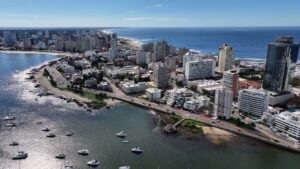
Punta del Este peninsula. Photo: Shutterstock
The best way to describe Punta del Este is like the Hamptons, but on a much better budget and with friendlier people. Beautiful beaches, incredible wine, art everywhere, luxury boutique hotels, and nightlife — but none of it feels pretentious. Punta has glamour and it has substance behind it. The first week of January, peak season, with the beach clubs open and the city fully alive, is when that combination becomes impossible to ignore.
More Than Beaches
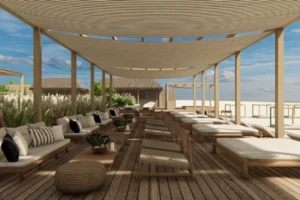
Casablanca Beach club in Punta del Este. Photo: Casablanca Beach Club
The beaches and nightlife are definitely part of the experience, especially in January. But Punta has more depth than its reputation suggests. A morning at a vineyard, an afternoon driving through rolling countryside stopping for wine and cheese tastings, an evening listening to live candombe drums near the coast. Everything is close, accessible, and easy to combine into a single day without feeling rushed.
What most visitors do not expect is how artistic and lifestyle-driven the destination feels. Sculptures, galleries, and thoughtfully designed architecture appear everywhere. Every hotel and building in the area shows a level of creative attention that sets the tone for the whole experience.
People also underestimate how deep the African roots in Uruguay run. The candombe drumming tradition, which traces back to enslaved Africans brought to Uruguay in the colonial era, adds a completely different cultural layer to the trip. If the timing works, February carnival is when that history comes fully alive.
The Art
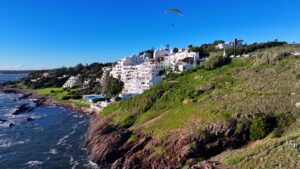
Casapueblo Hotel at sunset. Photo: Casapueblo Hotel
The art scene is one of the most surprising parts of Punta del Este. La Mano, the famous hand sculpture on Playa Brava, is one of those landmarks that actually lives up to the photos even when you know exactly what to expect. It is iconic and specific to this place in a way that makes it worth seeing.
Casapueblo is the other essential stop. The property sits on a cliff above the ocean and was built and painted by Uruguayan artist Carlos Páez Vilaró over decades. Watching the sunset there, the whole structure glowing against the water, is one of the most vivid things the Punta del Este trip produces.
For a longer engagement with the art scene, the Museo de Arte Contemporáneo Atchugarry is a large property with outdoor sculptures and installations spread across the grounds. It is a great way to spend an afternoon, and the scale of the collection tends to surprise first-time visitors.
The Food

Traditional Uruguayan asado cooking over an open wood fire. Photo: Shutterstock
The food scene is one of the biggest highlights of a Punta del Este trip and one of the least expected. An authentic Uruguayan asado is essential. Asado is more than a dish — it is a way of socializing and gathering. The beef quality in Uruguay is exceptional, and the experience of eating it the way Uruguayans actually eat it, slowly, with company, over an open fire, is different from any other version of it.
Chivitos are the other non-negotiable. Traditional Uruguayan steak sandwiches loaded with toppings, they taste exactly right after a beach day or a night out. Order one without overthinking it.
The pasta is the genuine surprise. The Italian immigration influence on Uruguayan food culture is significant and visible on every menu. Expecting South American cuisine and encountering some of the best pasta of the trip is a consistent experience for visitors who come in without that context.
The nightlife in January runs late and runs well. Punta feels alive at night without feeling chaotic. Beach bars, cocktail spots, music, and people who are in no rush to go anywhere.
Beyond Punta: José Ignacio and the Wineries
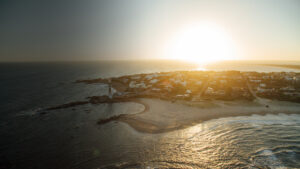
José Ignacio at golden hour sunset. Photo: Shutterstock
José Ignacio sits about 45 minutes east of Punta del Este and operates at an entirely different pace. It is a small fishing village where the luxury is quieter and the atmosphere is genuinely tranquil. From reading on the beach to horseback riding through rolling hills, the options are simple and specific. Some of the most impressive boutique properties in the region are here, and it works well for couples or anyone who wants the quality of Punta without the January energy.
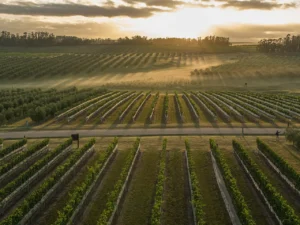
Winery Bodega Oceánica in José Ignacio. Photo: Bodega Oceánica
The wineries in the surrounding countryside are worth the detour. Several have their own boutique hotels, making it possible to stay on property and turn a tasting into a proper countryside escape. Uruguay’s wine culture is underrated on a global level and a visit to the region makes clear why that is changing.
Getting There and the Costs
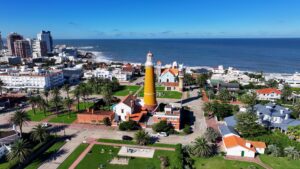
Punta del Este lighthouse. Photo: Shutterstock
Punta del Este is about two hours from Montevideo by car. From Argentina, the Buquebus ferry from Buenos Aires is the most practical option. The ferry is well organized, seamless, and provides direct bus connections toward Punta del Este after arrival, making the entire journey feel smooth.
Uruguay is currently offering significant tourist tax benefits that make the destination more financially accessible than its reputation suggests. Tourists receive zero VAT on hotels and lodging, VAT reductions on restaurants, bars, cafés, rental cars, and short-term rentals. For a trip that already delivers strong value relative to comparable beach destinations, those reductions are meaningful.
January is peak season and the liveliest time to visit. Shoulder season offers a quieter, more relaxed version of the same destination and is worth considering for anyone who wants Punta without the full January crowd.
What a Perfect Day Actually Looks Like
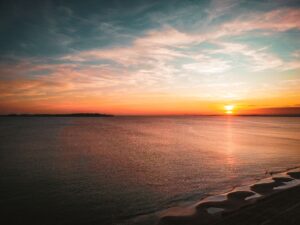
Sunset in Punta del Este. Photo Shutterstock
Morning beach time, slow and unhurried. A long lunch with wine and asado near the water. An afternoon driving through wineries and countryside roads, stopping for tastings and cheese boards. A stop at Museo Atchugarry for the outdoor installations. Sunset at Casapueblo. Then getting dressed for dinner and drinks somewhere lively.
What makes Punta work as a destination is that the days naturally flow into the nights. Nobody feels rushed. The culture revolves around enjoying life slowly — long dinners, wine, beach days, art, music, surfing, sunsets. That pace is the thing visitors remember most and the thing that is hardest to find elsewhere.
The Numbers
Punta del Este sits approximately two hours from Montevideo by car. The Buquebus ferry from Buenos Aires to Montevideo runs approximately $100 USD round trip with direct bus connections onward to Punta. Uruguay currently offers zero VAT on hotels and lodging for tourists, plus VAT reductions on restaurants, bars, cafés, and rental cars. A mid-range day in Punta del Este runs approximately $80 to $150 USD per person covering accommodation, meals, and activities. Peak season is December through February. Shoulder season from March through May offers the same destination at lower prices and smaller crowds. José Ignacio sits approximately 45 minutes east of Punta del Este.